A kitchen makeover does not always require a major investment. If the cabinets are still sturdy and functional, refinishing them can provide a noticeable transformation while avoiding the expense of replacing the entire cabinetry. One of the first questions homeowners often ask is how much cabinet refinishing costs and what factors influence the final price. The answer can vary considerably depending on the project size, the condition of the cabinets, the chosen finish, and the amount of preparation required. Understanding these factors can help homeowners create a realistic budget and choose a refinishing approach that delivers the desired results.
What Is the Average Cost of Cabinet Refinishing?
San Jose Cabinet Refinishing costs can vary because every project has different requirements. A small kitchen with relatively clean and undamaged cabinets may require less labor and fewer materials than a larger kitchen with extensive surface preparation. The finish you choose can also affect the total cost because some products require more coats, specialized application methods, or additional protective layers. Labor can represent a significant portion of the project cost, particularly when the cabinets have intricate doors or extensive detailing. For this reason, it is better to consider cabinet refinishing as a project with several cost components rather than expecting one fixed price.
The number of cabinet doors and drawers is another important consideration when estimating the overall expense. A kitchen with numerous individual pieces will generally require more preparation, cleaning, sanding, and finishing work. Cabinets that are easy to access and have relatively simple designs may require less time than heavily detailed or difficult-to-reach cabinetry. The existing finish can also affect the amount of preparation needed before the new coating is applied. Getting an estimate based on the actual cabinets being refinished can therefore provide a much more accurate idea of the expected cost.
What Factors Affect Cabinet Refinishing Cost?
Several factors can influence how much a cabinet refinishing project ultimately costs. Cabinet condition is one of the most important because damaged, greasy, chipped, or heavily worn surfaces may require additional preparation. Repairs may be necessary before any primer, stain, or paint can be applied. The size of the kitchen also affects the amount of labor and materials required. Larger cabinetry areas naturally take more time to prepare and refinish than smaller projects.
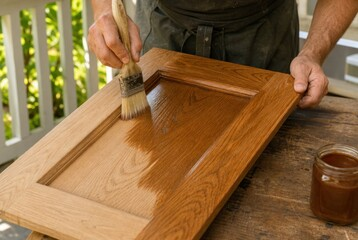
The chosen refinishing method can also make a difference in the budget. Painting, staining, glazing, and other decorative finishes may involve different materials and application processes. Some finishes require multiple coats and additional drying or curing time to achieve the desired appearance. Cabinet design can also influence labor costs because detailed doors, grooves, and decorative edges take longer to prepare and coat properly. When estimating the budget, homeowners should consider the entire process rather than focusing only on the price of the finishing material.
How Does Cabinet Condition Affect the Price?
The condition of the existing cabinets can have a major impact on refinishing costs. Cabinets that are structurally sound and have only minor cosmetic wear are usually easier to prepare for a new finish. However, cabinets with peeling coatings, deep scratches, dents, stains, or damaged surfaces may need more extensive preparation. Cleaning is also important because kitchen cabinets can accumulate grease and residue over time. If these contaminants are not removed properly, they can interfere with adhesion and affect the quality of the new finish.
Repairs can increase the cost because they require additional time and materials before refinishing can begin. Damaged doors may need to be repaired, while loose components or worn areas may need attention to ensure the finished cabinets remain functional. Some surfaces may also require more sanding to remove imperfections or create a suitable surface for the new coating. Although preparation can increase the initial cost, it is an important part of achieving a durable result. Skipping necessary preparation to save money can lead to peeling, uneven finishes, and additional repair expenses later.
Does Cabinet Material Affect Refinishing Cost?
The material used to construct the cabinets can influence the refinishing process and the products required. Solid wood cabinets are often suitable for several refinishing methods because their surfaces can be prepared and coated in different ways. Wood grain can also be enhanced with stain when the existing material is appropriate for that technique. However, different types of wood can absorb stains differently, which may affect the final appearance. Proper testing and preparation can help achieve a more consistent result.
Engineered materials and previously coated surfaces may require a different approach. Some cabinet materials may need specialized primers to help the new finish adhere properly. Existing laminate or factory coatings can present additional preparation challenges compared with unfinished or naturally porous wood. The condition and compatibility of the surface should therefore be evaluated before selecting a refinishing method. Choosing the appropriate products for the cabinet material can help prevent adhesion problems and improve the longevity of the finished surface.
How Does Paint Choice Affect Cabinet Refinishing Cost?
Paint is one of the most common choices for cabinet refinishing, but not all cabinet coatings have the same price or performance characteristics. High-quality cabinet coatings are generally designed to provide better durability and a smoother appearance than ordinary interior wall paint. The number of coats required can also influence material usage and labor time. Primer may be needed depending on the existing surface and the type of finish being applied. Choosing products based only on the lowest purchase price may not provide the best long-term value.
The desired sheen can also influence the overall look and maintenance requirements of the cabinets. Matte finishes can create a softer appearance, while satin and semi-gloss finishes can provide more noticeable reflection and may be easier to clean. Some homeowners may also choose specialty coatings designed to resist everyday wear. The best choice depends on how the cabinets are used and the appearance the homeowner wants to achieve. Investing in an appropriate cabinet coating can help protect the refinished surface and reduce the likelihood of needing another project prematurely.
Is Professional Cabinet Refinishing More Expensive Than DIY?
Doing the refinishing work independently can reduce labor expenses, which may make the project appear significantly cheaper at first. However, DIY refinishing still involves purchasing cleaning products, sanding materials, primer, paint or stain, application tools, and protective supplies. Homeowners also need to invest their own time in removing doors, preparing surfaces, applying finishes, and allowing sufficient drying time. Mistakes can create additional costs if surfaces need to be stripped and refinished. The actual savings therefore depend on the homeowner’s available time, experience, equipment, and ability to complete the work properly.
Professional refinishing can have a higher upfront cost because labor and expertise are included. However, experienced professionals may have access to specialized equipment and finishing techniques that can produce a smoother and more consistent result. They can also identify surface problems that may not be obvious to an inexperienced homeowner. For larger kitchens or cabinets with complicated designs, professional work may save considerable time and effort. Comparing the full DIY expense with the total professional estimate can provide a more realistic picture of the value of each option.
How Can Homeowners Reduce Cabinet Refinishing Costs?
There are several ways homeowners can manage the cost of a refinishing project without sacrificing the overall result. Keeping structurally sound cabinets instead of replacing them can already reduce the scope of the renovation. Choosing a straightforward finish can also reduce the amount of labor required compared with elaborate decorative techniques. Preparing the kitchen and clearing the work area before the project begins may help make the process more efficient. Discussing the project requirements clearly can also help avoid unexpected changes once refinishing has started.
Another way to control costs is to prioritize the areas that need the most attention. If certain cabinet sections are in good condition, homeowners may decide to focus refinishing efforts on the most visible or heavily worn areas. Choosing a practical color and finish can also reduce the need for complicated treatments. It is important, however, not to reduce necessary preparation or use unsuitable materials simply to lower the initial price. A slightly larger investment in proper preparation and durable finishing products can provide better value over the life of the cabinets.
How Can You Budget for Cabinet Refinishing?
Creating a cabinet refinishing budget begins with evaluating the size and condition of the cabinetry. Homeowners should consider how many doors, drawers, and cabinet frames need to be refinished. The desired finish should also be identified because painting, staining, glazing, and specialty treatments can involve different costs. Additional expenses may come from repairs, hardware replacement, protective coatings, or unexpected preparation work. Building some flexibility into the budget can help account for these potential costs.
It is also useful to compare the cost of refinishing with the cost of completely replacing the cabinets. Refinishing can be particularly attractive when the existing cabinetry has a good layout and remains structurally strong. Replacement may involve not only new cabinets but also additional work related to installation and changes around the cabinetry. Refinishing allows homeowners to update the appearance while retaining the existing structure. By considering both the immediate expense and the expected lifespan of the finished cabinets, homeowners can make a more informed renovation decision.
Final Thoughts
Cabinet refinishing cost depends on many factors, including cabinet size, material, condition, finish selection, preparation requirements, and labor. A simple project involving cabinets in good condition may be considerably easier and less expensive than one requiring extensive repairs and surface preparation. Painting, staining, glazing, and protective finishes can each affect the overall budget in different ways. DIY work may reduce labor expenses, while professional refinishing can provide convenience, expertise, and a more consistent finish. The most important step is to evaluate the existing cabinetry and determine which refinishing approach provides the best balance between appearance, durability, and cost. With careful planning and realistic budgeting, refinishing can be an effective way to give existing cabinets a refreshed appearance without the expense of a complete replacement.