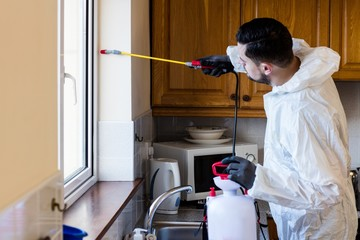
Environmentally responsible pest control is transforming the industry with solutions that prioritize human health while minimizing impact to natural ecosystems. In contrast to traditional pesticides that can leach into soil, water, and wildlife, eco-friendly options minimize exposure through pinpoint accuracy of application and non-toxic ingredients.
Choosing Pest Control Fort Pierce treatments helps ensure you’re not leaving behind toxic residues that can irritate skin and disrupt respiratory health, especially for young children or pets. Learn more about why a transition to eco pest control is beneficial for your home and family.
1. They Are Effective
In today’s eco-conscious world, homeowners are increasingly seeking solutions that balance efficacy with environmental responsibility. This shift has spurred innovation in green pest control, offering solutions that can match–or even outperform–traditional treatments when applied properly.
Traditional pest control relies on widespread chemical spraying that can contaminate soil, water, and air, often leading to health problems for pets, children, and adults. By contrast, eco-friendly pest control strategies rely on pinpoint accuracy and low-toxicity products that target specific pests directly. This makes them safer for kids, pets, and sensitive people, while also shrinking the ecological footprint of your home.
Rather than treating the whole property, eco-friendly solutions treat specific entry points and harborage areas. This prevents pests from developing immunity to synthetic chemicals, ensuring that your pest control solution is effective over the long term.
Instead of using chemical repellents, eco-friendly pest control relies on natural plant-based products that disrupt the nervous system of targeted pests or naturally deter them. Essential oils, botanical compounds, and other natural ingredients can be applied around the exterior of your home to deter unwanted pests. Alternatively, biological controls like ladybugs or nematodes can be introduced to manage pest populations in your garden.
Physical traps, screens, and barriers eliminate pests by blocking entry points into the home or preventing them from gaining access to food sources. By combining these techniques with other methods of prevention, eco-friendly pest control can offer long-term results without the need for re-treatments.
While the upfront costs of eco-friendly treatment may be higher than traditional products, they save money in the long run by reducing costly repair bills and frequent re-treatments. In addition, a proactive approach to pest control through sealing and repairing cracks, adding gnaw-proof materials, and removing outdoor harborage reduces the need for supplemental treatments altogether.
A professional can help you develop a comprehensive pest management plan that blends preventative inspections, monitoring, and reapplication of natural repellents with targeted treatments when necessary. They can also provide advice on how to make your home less inviting by storing foods and trash securely, fixing leaks, removing clutter, and sealing utility penetrations.
2. They Are Safe
While traditional pest control solutions rely on harsh chemicals that can damage the environment, eco friendly options focus on prevention and smart monitoring, so they’re safer for families, pets, and local ecosystems. They also reduce exposure to toxins and spare beneficial insects like bees and butterflies, so you can enjoy a cleaner, greener living space.
Traditional pesticides contain a variety of harmful compounds that can irritate skin, trigger respiratory issues, and even cause long-term health problems with repeated exposure. They can also leach into soil and waterways, polluting natural resources and harming wildlife. On the other hand, eco-friendly pest management uses plant-based products and low-risk treatments that disrupt pest life cycles without harming people or the environment.
As demand for wellness and sustainability grows, so too does the availability of effective, safe, and eco-friendly home pest control solutions. These alternatives use natural ingredients and methods that don’t leave behind toxic residues, reducing health risks for families with infants and young children as well as those with allergies or sensitivities to conventional chemicals.
The best way to protect your family from bugs is to prevent them from entering your home in the first place. Seal entry points, repair windows and doors, remove standing water, and declutter storage areas to make your home less attractive to pests. Then, if you do encounter an infestation, low-risk botanical sprays and physical traps offer targeted treatment that minimizes chemical exposure.
Safer Indoor Air Quality
Conventional pesticides release a variety of volatile organic compounds, or VOCs, that can contribute to respiratory problems and allergic reactions. Eco-friendly pest management avoids these toxins entirely, leaving your household with healthier indoor air.
While initial product costs may be higher for eco-conscious methods, they’re often more cost-effective than their synthetic counterparts in the long run. This is because they don’t just address symptoms, but also tackle the root causes of an issue, such as poor sanitation or structural vulnerabilities that can lead to recurring infestations. This holistic approach promotes balance in the ecosystem, preventing pests from developing resistance over time and providing long-term protection that safeguards your property value.
3. They Are Effective for Everyone
Whether they’re using boric acid to eradicate ants, citrus oil for mosquitoes, vinegar for weeds or neem tree extract for worms, eco-friendly pest control solutions prioritize human and environmental health. When used properly by a trained professional, these safe options can be equally as effective as traditional chemical treatments. And, they align with a growing movement toward sustainable living, from home energy efficiency to conservation efforts on the ground and in your community.
As more homeowners seek non-toxic alternatives to conventional pest management, professionals are working to meet the demand with eco-friendly options that deliver results. But, just because a product is organic or natural doesn’t mean it poses no safety risks, especially when improperly applied or concentrated. To avoid ineffective or hazardous treatments, certified eco-friendly pest control specialists follow a process of thorough property assessment, integrated strategies and species-specific applications to achieve immediate elimination and long-term success.
Additionally, because eco-friendly pest control emphasizes prevention, low-risk treatment methods and mechanical controls, it’s safer for children, pets, gardens, and sensitive individuals. When applied with a deep understanding of pest biology and seasonal patterns, this holistic approach reduces the need for more toxic products and prevents pests from developing resistance.
In addition to eco-friendly products, many pest control companies like Amco are committed to sustainability in all aspects of their business. This includes minimizing paper use through digital communications and reporting, reducing fuel consumption through more efficient service routes and implementing environmentally responsible waste disposal practices. They’re also actively supporting environmental initiatives and conservation efforts in their communities across Virginia, Maryland, and Washington, D.C.
A growing number of pest control companies are embracing eco-friendly methods to better protect their customers and the environment. Amco Pest Solutions is leading the charge with eco-friendly pest control solutions that balance efficacy and ecological responsibility to create a healthier indoor and outdoor environment for everyone. By prioritizing safety, sustainability, and effectiveness, this approach to pest control will help preserve biodiversity and contribute to a healthier planet for generations to come.
4. They Are Effective for the Environment
Eco-friendly pest control solutions minimize the impact on the environment and surrounding wildlife. Unlike traditional chemical treatments, these do not leave harmful residues that can accumulate in the soil and water. Instead, they break down naturally, avoiding contamination of the ecosystem and preserving the quality of nearby water sources. These methods also limit exposure to humans and animals, preventing allergic reactions.
Because of this, eco-friendly pest control is a safe choice for homes with children, pets, gardens, and sensitive individuals. In fact, it is designed to be safer than chemical options by focusing on prevention and targeted, low-risk treatments.
In addition, eco-friendly pest control relies on natural predators and parasites to reduce pest populations without using broad-spectrum chemicals. For example, releasing beneficial insects like ladybugs to control aphid infestations or using bacillus thuringiensis to combat mosquito larvae can keep pests at bay with minimal effort. In addition, eco-friendly pest control focuses on eliminating or reducing the food source for the pests through exclusion techniques and physical removal. This includes sealing entry points, repairing screens, storing food and pet food in airtight containers, and other proactive measures.
As more homeowners prioritize wellness and sustainability, the demand for eco-friendly products and services has grown. This trend has accelerated innovation and shown that green pest control can deliver the same results as conventional methods when applied correctly.
In order to deliver superior results, experienced eco-friendly pest control professionals use thorough inspections and data-driven plans to determine the most effective strategies for each property. These methods may include natural predators, targeted applications of plant extracts, and other non-toxic solutions that do not contain dangerous chemicals.
The eco-friendly approach to pest management is a responsible choice for any homeowner, regardless of the size or severity of their pest problem. Choosing to implement eco-friendly pest control practices is one of the best ways to make your home more sustainable and contribute to a healthy environment. The commitment to environmental responsibility should extend beyond your home, however, and include all the places where you work and play. This is why Amco Pest Solutions prioritizes green practices in every area of its business, from sourcing products responsibly to minimizing paper use for communication and implementing fuel-efficient service routes.
Visit our Professional Services Blogs
Chris Atkins Lawncare, Atticus Landscaping, Treasure Coast Pressure Wash, Gulf Beach Plumbing, Marlborough Plumbing, Guns And Hoses Pressure Washing, Ambrose Construction, Coral Gables Pressure Washing, Willco Photography, Roofing Akron, Danalogsdon Roofing El Cajon, EC Siding Roofing Windows, Aurora Gutter, American Insurance Source, ECO, etdn, Denison Service League, Roofing Blog, Atlantic Vinyl Windows, Brookshires Fireplaces, JD Advanced Remodeling, Product Judgment, Master Dry Foundation Repair, Moe’s Hip, Elta Patio Paramount, Rock Around The Clock Festival, Learn, Play, Beyond, MoralesT Gardening, Car Window Tinting Perth, Duncan Carpentry, Gatestone Lighting, Mid Missouri Mold Inspections, Stucco Repair Albuquerque, Wausau Siding Hire, Munster Tree Care, Blue Granite Homes, Custom House, CENTRAL OS, Atlanta Pavers, Phillips Law Firm, Brent Ryder Masonry, Walker Construction Drywall Division, RJ Law, Caledon Plumbing, DDS Tech USA, Maine Mortgage Services, Inckpen, Seasons at Rose Creek, Cottonwood Place Dental, Cosmetic Laser 2000
