Electrical Services

Electrical Contractors: The Experts Behind Safe, Efficient, and Future-Ready Power Systems

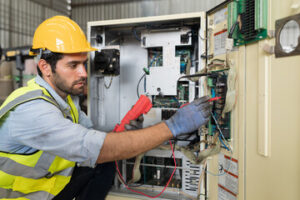
Electricity powers nearly every aspect of modern life. From lighting and climate control to data systems and advanced machinery, reliable electrical infrastructure is essential for homes, businesses, and industrial facilities. Behind every well-designed and safely functioning electrical system stands a skilled electrical contractor. These professionals do far more than install wiring—they design, manage, upgrade, troubleshoot, and maintain the complex networks that keep properties running smoothly.

Understanding the role of Electrical Contractors can help property owners make informed decisions when planning construction projects, renovations, upgrades, or emergency repairs. Whether you are building from the ground up or modernizing an existing structure, hiring a qualified electrical contractor ensures your project meets safety standards, energy efficiency goals, and long-term performance expectations.

electrical

What Electrical Contractors Actually Do

Many people assume that electrical contractors simply handle wiring installation. In reality, their scope of work is much broader and more technical. Electrical contractors oversee entire electrical systems from initial design to final inspection. They coordinate with architects, builders, engineers, and property managers to ensure that electrical components integrate seamlessly with other systems.

Their services often include electrical system design, panel upgrades, lighting installation, circuit installations, generator setup, smart technology integration, energy-efficient retrofits, and ongoing maintenance. On large-scale commercial and industrial projects, electrical contractors may also manage teams of electricians, coordinate schedules, secure permits, and ensure compliance with building codes.

In both residential and commercial environments, safety is the top priority. Electrical contractors must follow strict standards to prevent hazards such as electrical fires, system overloads, and shock risks. Their expertise ensures that every installation functions reliably under daily demand.

The Importance of Hiring Licensed Electrical Contractors

Electrical work is not an area where shortcuts are acceptable. Improper installation or repairs can lead to costly damage, equipment failure, or serious injury. Licensed electrical contractors bring the training, certifications, and experience necessary to handle complex systems safely and efficiently.

There are several compelling reasons to work with professionals:

  1. Code Compliance and Permits – Electrical contractors understand local regulations and ensure that installations meet all required safety codes. This prevents legal issues and inspection failures.
  2. Accurate Load Calculations – Proper system design requires a detailed analysis of electrical demand. Contractors calculate load requirements to prevent overloaded circuits and inefficient distribution.
  3. Long-Term Reliability – Professional installations reduce the risk of breakdowns and costly emergency repairs in the future.
  4. Insurance Protection – Work performed by licensed contractors helps maintain property insurance validity in the event of an electrical incident.

By choosing a qualified electrical contractor, property owners protect both their investment and the people who occupy the space.

Electrical Contractors in Residential Projects

In residential settings, electrical contractors play a crucial role in new construction, home renovations, and system upgrades. Modern homes require significantly more electrical capacity than older properties due to the growing number of devices, appliances, and smart technologies.

When building a new home, electrical contractors design a comprehensive system that supports lighting, outlets, HVAC units, kitchen appliances, home offices, entertainment systems, and outdoor features. They strategically place circuits and panels to balance load distribution and ensure future expansion capability.

For existing homes, electrical contractors often handle service panel upgrades, rewiring outdated systems, installing surge protection, adding dedicated circuits for high-demand appliances, and integrating smart home technology. These upgrades not only enhance convenience but also improve safety and energy efficiency.

Older properties with aging wiring or insufficient panels may face frequent breaker trips or flickering lights. In such cases, an experienced contractor can identify the root cause and recommend effective solutions that align with modern safety standards.

Electrical Contractors in Commercial and Industrial Environments

Commercial and industrial facilities rely heavily on uninterrupted electrical power. Offices, retail stores, warehouses, manufacturing plants, and healthcare facilities all depend on stable systems to maintain productivity and safety.

Electrical contractors in these environments handle more complex installations, including high-voltage systems, backup generators, emergency lighting, data cabling, and advanced control systems. They design infrastructure capable of supporting heavy machinery, server rooms, refrigeration units, and specialized equipment.

Downtime in a commercial setting can result in significant financial loss. For this reason, electrical contractors often provide preventative maintenance services that identify potential problems before they escalate. Routine inspections, thermal imaging, and system testing help ensure continuous operation and reduce unexpected disruptions.

In industrial applications, electrical contractors may also work with automation systems and programmable controls. Their ability to integrate electrical networks with mechanical processes enhances efficiency and production output.

Energy Efficiency and Sustainable Electrical Solutions

As energy costs rise and environmental awareness grows, electrical contractors are increasingly involved in designing energy-efficient solutions. Modern electrical systems are no longer just about functionality—they are about sustainability and performance optimization.

Electrical contractors help property owners reduce energy consumption through:

  • LED lighting upgrades
  • Energy-efficient panel systems
  • Smart thermostats and automation
  • Solar power integration
  • Electric vehicle charging station installation

By evaluating energy usage patterns, contractors can recommend improvements that lower utility bills while reducing environmental impact. For businesses, these upgrades may also improve corporate sustainability initiatives and reduce operating expenses.

In addition to lowering energy costs, efficient electrical systems reduce strain on infrastructure and extend equipment lifespan. Investing in energy-conscious solutions delivers both financial and environmental benefits.

Signs You Need an Electrical Contractor

Many property owners wait until an emergency occurs before calling an electrical professional. However, there are warning signs that indicate it is time to consult an electrical contractor before problems escalate.

Common indicators include:

  • Frequent circuit breaker trips
  • Burning smells near outlets or panels
  • Flickering or dimming lights
  • Outdated fuse boxes
  • Insufficient outlets for modern needs
  • Electrical shocks when plugging in devices

Ignoring these issues can lead to serious hazards. A qualified electrical contractor can perform a comprehensive assessment, diagnose underlying problems, and provide safe, long-term solutions.

The Project Management Advantage

One often overlooked benefit of hiring electrical contractors is their project management expertise. On construction and renovation projects, electrical work must align with plumbing, HVAC, framing, and finishing schedules. Contractors coordinate timelines to prevent delays and costly rework.

They also manage material procurement, workforce supervision, and inspections. This structured approach ensures that the electrical component of the project stays on schedule and within budget. Instead of juggling multiple subcontractors, property owners can rely on a single contractor to oversee the entire electrical scope.

For large-scale developments, this coordination becomes even more critical. Proper planning and communication reduce misalignment between systems and help maintain safety throughout the build process.

Technology Integration and Smart Systems

The demand for smart technology continues to grow in both residential and commercial properties. Electrical contractors are at the forefront of integrating advanced systems that enhance automation, convenience, and control.

Smart lighting systems, automated climate control, security cameras, access control systems, and energy monitoring tools all require professional installation and configuration. Electrical contractors ensure these systems operate cohesively and securely.

In commercial spaces, advanced control systems can regulate lighting based on occupancy, adjust climate settings automatically, and monitor energy usage in real time. These innovations improve operational efficiency and reduce unnecessary energy consumption.

As technology evolves, electrical contractors remain essential partners in adapting properties to modern standards.

Maintenance and Long-Term Support

Electrical systems require ongoing maintenance to function optimally. Even well-installed systems can experience wear over time due to usage, environmental factors, and aging components.

Electrical contractors offer maintenance programs that include inspections, panel testing, tightening connections, cleaning components, and identifying potential hazards. Preventive maintenance extends system lifespan and reduces the likelihood of emergency repairs.

For commercial facilities, scheduled maintenance is particularly important to avoid operational downtime. Regular servicing helps maintain compliance with safety standards and ensures equipment operates within its designed capacity.

Long-term partnerships with electrical contractors provide peace of mind, knowing that your system is monitored and maintained by professionals familiar with its design.

Choosing the Right Electrical Contractor

Selecting the right electrical contractor requires careful consideration. Experience, licensing, insurance, and reputation all matter. Property owners should seek contractors who demonstrate strong communication skills, transparent pricing, and a commitment to safety.

It is also beneficial to choose contractors who offer comprehensive services, from installation and upgrades to maintenance and emergency support. This full-service approach ensures continuity and familiarity with your system over time.

Clear contracts, detailed project estimates, and documented timelines help establish expectations and prevent misunderstandings. A reliable contractor will prioritize safety, quality workmanship, and client satisfaction throughout every stage of the project.

Why Electrical Contractors Are Essential for Modern Properties

Electricity is the backbone of modern living and business operations. Without safe and efficient electrical systems, even the most well-designed property cannot function effectively. Electrical contractors provide the expertise needed to build, maintain, and upgrade these systems with precision and care.

From residential wiring and commercial installations to energy-efficient upgrades and smart technology integration, electrical contractors serve as indispensable partners in property development and management. Their knowledge ensures compliance, safety, and long-term performance.

Investing in professional electrical contractor services is not simply about fixing problems—it is about creating a foundation for reliability, efficiency, and growth. Whether you are constructing a new building, renovating an existing space, or planning for future technological advancements, working with experienced electrical contractors ensures that your property is prepared for the demands of today and tomorrow.

In an increasingly power-dependent world, the role of electrical contractors continues to expand. By prioritizing professional expertise and proactive planning, property owners can safeguard their investments and ensure uninterrupted performance for years to come.

Pest Control

Does Pest Control Get Rid of Termites and Prevent Future Damage?

Pest Control

You may never see termites until the damage is already done. A small crack in the wood, a hollow sound in the wall, or a pile of discarded wings near a window can all point to a hidden infestation quietly spreading through your home. Unlike many other pests, termites often work in silence, making them one of the most destructive threats to a property. This leads many homeowners to ask an important question: Does Pest Control South Lake TX get rid of termites? Understanding how termite control works can help you protect your home before the damage becomes severe.

Understanding Termites and Why They Are Dangerous

Termites are wood destroying insects that feed on materials containing cellulose. While they are small in size, their ability to consume structural wood can lead to significant property damage over time.

What makes termites especially dangerous is their hidden nature. Many infestations begin underground or inside walls where they remain unnoticed for months or even years. During that time, they can weaken floors, beams, ceilings, and support structures.

Unlike common household pests that are mainly considered a nuisance, termites can directly impact the stability and value of a property. This is why termite control is considered one of the most important forms of pest management.

Does Pest Control Actually Eliminate Termites

Yes, pest control can get rid of termites when the correct methods are used. However, termite treatment is different from general pest control because termites require specialized inspection, treatment, and prevention techniques.

Standard pest treatments for ants or roaches may not be effective against termites because termite colonies are often hidden deep within structures or underground. Effective termite control focuses on locating the colony, eliminating active termites, and preventing future infestations.

The success of pest control depends on the type of termite, the severity of the infestation, and the treatment method used. A thorough approach is necessary to ensure that the colony is fully addressed rather than temporarily reduced.

Types of Termites Commonly Found in Homes

Different types of termites require different treatment strategies. Subterranean termites are among the most common and destructive. They live underground and travel through mud tubes to reach wood structures.

Drywood termites live directly inside the wood they consume. Because they do not require soil contact, they can infest furniture, walls, and wooden beams without obvious signs.

Dampwood termites are attracted to moist and decaying wood. While less common, they can still cause serious problems in areas with excessive moisture.

Understanding the type of termite involved helps determine the most effective treatment and prevention plan.

Signs You May Have a Termite Problem

Termites often remain hidden, but there are warning signs that may indicate an infestation. One common sign is hollow sounding wood. As termites consume wood from the inside, the surface may appear intact while the interior becomes weak.

Mud tubes along walls or foundations are another major indicator, especially for subterranean termites. These tubes provide moisture and protection as termites travel between their colony and food source.

Discarded wings near windows or doors may appear after termite swarms. This usually happens when termites are forming new colonies.

Other signs include bubbling paint, small holes in wood, or doors and windows that suddenly become difficult to open. Identifying these signs early can help reduce long term damage.

How Pest Control for Termites Works

Termite pest control begins with a detailed inspection of the property. This helps identify the type of termite, the location of the infestation, and the extent of the damage.

After inspection, treatment methods are selected based on the severity of the problem. Some treatments focus on creating barriers around the structure, while others target the colony directly.

Liquid treatments are commonly used to treat soil around the home and stop termites from entering. Bait systems are another method that attracts termites and eliminates the colony over time.

For drywood termites, localized wood treatments or heat treatments may be used. The goal is to eliminate active termites while protecting the structure from future infestations.

Monitoring and follow up inspections are often necessary to ensure that the infestation has been fully controlled.

Why Professional Termite Control Is Important

Termites are difficult to eliminate without proper knowledge and equipment. Because colonies are often hidden, surface level treatments may not reach the source of the problem.

Professional pest control services understand termite behavior and know how to identify hidden activity. This allows for more effective treatment and long term prevention.

Another important reason to use professional termite control is the potential cost of damage. Delaying treatment or using ineffective methods can allow the infestation to continue spreading.

Professional treatment also helps reduce the chances of future infestations by addressing entry points, moisture problems, and structural vulnerabilities.

Can Termites Return After Treatment

Termites can return if preventive measures are not maintained. Even after successful treatment, nearby colonies may attempt to enter the property again if conditions remain favorable.

Moisture, wood to soil contact, and untreated entry points can all increase the risk of reinfestation. This is why ongoing monitoring and maintenance are important parts of termite pest control.

Regular inspections help identify new activity before serious damage occurs. Preventive treatments and proper home maintenance can significantly reduce the chances of termites returning.

How to Prevent Future Termite Infestations

Preventing termites starts with reducing the conditions that attract them. Moisture control is one of the most important steps because termites thrive in damp environments.

Repairing leaks, improving ventilation, and maintaining proper drainage can help keep the property dry. Reducing wood to soil contact around the structure also lowers the risk of termite access.

Regular inspections of wooden structures can help detect problems early. Sealing cracks and gaps around the foundation further limits potential entry points.

Keeping firewood, lumber, and other cellulose materials away from the home also helps reduce attractants. Consistent maintenance is essential for long term termite prevention.

The Long Term Impact of Ignoring Termites

Ignoring a termite infestation can lead to severe structural damage over time. As termites continue feeding, wooden supports may weaken and compromise the stability of the building.

Repairs can become extremely expensive if the infestation spreads unnoticed for too long. In some cases, extensive reconstruction may be required.

Property value can also be affected. Visible termite damage or a history of infestation may raise concerns for future buyers.

Addressing termite issues early helps prevent these long term consequences and protects both the safety and value of the property.

Conclusion

So, does pest control get rid of termites? The answer is yes, but effective termite control requires specialized methods designed specifically for these destructive pests. From detailed inspections to targeted treatments and long term prevention, proper pest control can eliminate active termites and reduce the risk of future infestations.

Understanding the signs of termite activity and acting quickly are essential for protecting your home from costly damage. Professional termite control provides the expertise and strategies needed to address infestations thoroughly and safely.

Termites may work quietly, but the damage they cause can be significant. Taking preventive measures and investing in proper pest control helps preserve the strength, safety, and value of your home for years to come.