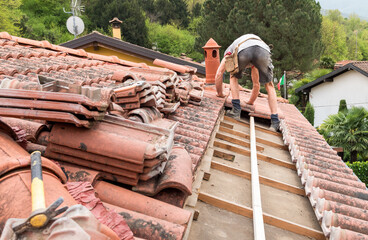
The roof is your home’s first line of defense against the elements. However, exposure to natural forces and neglect over time can damage your roof, leaving your home vulnerable.
Understanding the signs of roof damage can help you catch problems early and prevent expensive repairs. In this blog post, we explore 13 common warning signs of roof damage. Visit Website for more information.
Damaged Shingles
The roof over your head provides protection from the elements, but it can eventually show signs of aging that require professional attention. A well-maintained roof can protect your home and extend its lifespan.
Shingles that are damaged by storms, age, and general wear and tear will need to be replaced. This can be done by a professional roofing company or by an ambitious homeowner as a DIY project. Regardless of which way you go about replacing the damaged shingles, it’s imperative that any replacement shingles be properly nailed and sealed to prevent leakage and further damage.
Cracked, curling, or missing shingles are all clear indicators that your roof needs to be repaired. Leaving these issues unattended can lead to major problems for your home, including water damage. These types of problems are also red flags for potential buyers when selling your property.
Blisters on your roof can be a sign that you have moisture trapped within the shingle and it’s nearing the end of its lifespan. It’s important to call a roofing professional to assess your roof’s condition if you notice blisters, as the shingles may need to be replaced immediately.
Bruising is another clear indicator that your roof requires repairs. Large hailstones can cause this type of damage, which causes granules to be dislodged and can shorten the life of your shingles. It’s important to hire a professional who can evaluate your roof’s condition and determine whether you have hail damage that warrants an insurance claim or if the roof is just nearing the end of its lifespan.
The flashing that surrounds brick chimneys and other roof penetrations can rust and leak if it’s not in good shape. If the flashing is made of galvanized steel, it’s a good idea to replace it with a newer material like aluminum or copper.
Overhanging tree branches should be trimmed by a professional to avoid rubbing or falling on your roof in high winds. Moss is a harmful growth that traps moisture and can rot your roof sheathing, especially in damp areas of the country.
Leaking Gutters
If your gutters are leaking, this is a sign that your roof and the gutter system need repair. Leaks from a poorly functioning gutter system can cause significant damage to your home. If left unaddressed, they can lead to mold growth inside and outside of your home, which poses health risks and damages walls, ceilings, and insulation. They can also lead to water stains on siding and walkways, damp basements, and cracked or peeling paint.
Gutter leaks often occur due to clogs, which can be caused by leaves, twigs, and other debris. The gutter system should be cleaned regularly to prevent clogs. If the gutters are not pitched correctly to drain away from the house, the slope may need to be adjusted. A sagging gutter system can pull away from the house and cause structural damage.
Leaking gutters can also indicate that the gutter system is corroded or needs to be replaced. Rust can appear as dark spots on the exterior of the gutter system. You can check the condition of your gutters by getting on a ladder and looking at them closely. Look for holes, cracks, or rust, which can be repaired with caulking or sealant.
If you notice any of these signs of damage, it is a good idea to have your roof inspected by a professional. A roofing contractor can identify issues that you may not be able to see, and make repairs before they get worse. It is a good idea to inspect your roof twice a year, once in spring and once in fall.
Water Stains
Waterstains are a clear sign that you need to have your roof checked. They appear as discolored spots on the ceiling, often around chimneys, skylights, corners of roof valleys, and any other places moisture gathers. High winds from severe storms can wreak havoc on shingles, loosen flashing and dislodge ridge vents, leaving areas where moisture can enter your home. Look for other red flags of roof damage such as a musty or damp odor, warped ceilings, and visible mold or mildew growth. It’s also a good idea to have your attic and roof inspected for wildlife such as raccoons or squirrels that can tear off shingles and chew through insulation.
Ice Dams
Many homeowners in colder climates find that ice dams are a common problem during winter. They are a ridge of ice that forms along the edge of a roof and prevents melting snow from draining off of the roof. When this happens, water backs up on the roof and can cause a home to leak. This moisture can damage walls, ceilings and insulation. It can also lead to the growth of mold and mildew inside the home.
The ice dams that form are caused by the warming and freezing cycles of snow. Heat from the house escapes through the attic and warms the underside of the roof. This melting snow then runs down the roof slope towards the eaves where it meets freezing outside temperatures and freezes again, creating a ridge of ice at the edge of the roof. The ice dams then prevent the rest of the melt water from draining off the roof and into gutters or downspouts. Instead, the water backs up under the shingles, into cracks and openings in the attic insulation and down the walls of the home.
When this occurs, it is important to have the ice dams and water leaks repaired. This is a good time to have a professional inspect the roof and recommend any needed repairs or replacements. Keeping the attic well ventilated, having proper roof insulation and sealing air leaks that might heat the underside of the roof will help reduce the chance of ice dams.
If you have a newer roof, it may be worth considering having an insurance company offer a policy that includes a replacement or restoration of the existing roof after a loss. This can be a more affordable option than replacing the entire roof and can help make the homeowner’s insurance claim process easier.
The frigid temperatures can result in expensive home damage that homeowners may not be aware of. By knowing what to look for and how to respond quickly, homeowners can keep their home safe and avoid the need for costly repairs.